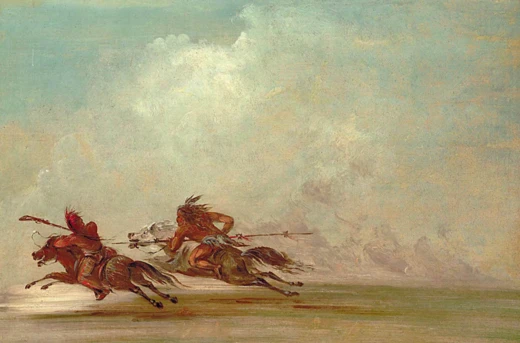
Desert Temple
A fan-imagined ruin in the desert, echoing with the whispers of an ancient war.

The Desert Temple is a fan-created location within the Tribes universe, often imagined as a sacred site built by an ancient civilization in the heart of a vast desert canyon. Its towering sandstone walls and central temple structure have been the backdrop for countless skirmishes in community lore, though it has never appeared as an official map in any Tribes game.
- Type
- Fan-created location
- Setting
- Desert canyon with a central temple
- Key feature
- Asymmetrical terrain with elevated sniper perches and underground passages
- Affiliation
- Tribes universe (fan interpretation)
Lore & Background
The Desert Temple is said to be a relic of the First Tribes, built to harness the energy of a dormant star. Its halls are etched with warnings in an ancient script, and local legend claims that the temple's core still hums with power, drawing both scavengers and zealots who seek to unlock its secrets. No official record confirms the existence of a symmetrical base design or vehicle pads on this map, as it was never included in any official Tribes game.
In Their Own Story
The Kularnava Tantra mentions 18 Pithas and mentions Hingula as the third one. In the Kubjika Tantra, Hingula is listed among the 42 Shakta or Siddha Pithas in which Hinglaj is at the fifth place. The Pithanirnaya or Mahapithanirupana section from the Tantrachudamani originally listed 43 names, but names were added over time making it 51 Pithas. It details the Pitha-devata or Devi (name of goddess at the Pitha), the Kshastradishas (Bhairava) and the anga-pratyanga (limbs including ornaments of Sati). Hingula or Hingulata is the first in list, with the anga-pratyanga being Brahmarandhra (a suture in the crown of the head). The Devi is known by several names such as Kottari, Kottavi, Kottarisha, and the Bhairava is Bhimalochana. In the Shivasharitha, Hingula is again the first in a list of 55 Pithas. Brahmarandhra is the anga-pratyanga, the goddess is called Kottari and the Bhairava is Bhimalochana (located in Koteshwar). In the non-scripture 16th century Bengali work Chandimangal, Mukundaram lists nine Pithas in the Daksha-yajna-bhanga section. Hinglaja is the last Pitha described to be the place where Sati's forehead fell. Another legend is that Devi killed Hingol as he tormented the people. She followed Hingol to the cave, which is currently the Hinglaj Mata shrine. Before he was killed, Hingol requested the goddess to name the place after him, which she granted.
Reader's Guide
Once pilgrims arrive in Hinglaj they complete a series of rituals, like climbing the Chandragup and Khandewari mud volcanoes. Devotees throw coconuts into the craters in the Chandragup mud volcano to make wishes and thank the gods for answering their prayers. Some scatter rose petals, others paint their bodies and faces with clay. Pilgrims then take a ritual bath in the sacred Hingol River before finally approaching the shrine marking the goddess's resting place. The annual four-day pilgrimage to the Hinglaj Mata Temple is in April. The major ceremony in the pilgrimage occurs on the third day, when the priests of the shrine recite mantras to invoke the gods to accept the offerings brought by the pilgrims, and bless them. Offerings made by the pilgrims to the deity primarily consist of three coconuts. While some remain in Hinglaj for all four days, others make a short day trip. Pilgrimage to the site is traditionally begun from the Nanad Panthi Akhada in Karachi. The pilgrim groups are headed by a holy staff bearer called the chaadiar, authorized by the Akhada (a Hindu organization of sadhus). The sadhus (holy-men) belonging to this group are a very cohesive group of Hata yogis with ancestral genealogy of their own; and they also observe secret rites. Historically few could make the taxing journey to Hinglaj—a grueling trek across more than 160 miles of isolated desert to the temple. But in recent years, new infrastructure has allowed an unprecedented number of pilgrims to enter the site, altering centuries-old rituals. Pilgrims from all over Pakistan and even India visit the temple, holding traditional red banners and wearing red-gold decorative head-scarves, which are associated with sanctuaries of Hindu goddesses, in this case Hinglaj Mata. What was once a journey of more than 150 kilometres (93 mi) by foot through the desert from the nearest road, is now made easy by the Makran Coastal Highway connecting Karachi with Gwadar. Hinglaj is 328 km and nearly 4 hours drive from Karachi on the Makran Coastal Highway. Consequently, the number of pilgrims visiting the shrine has substantially increased over the years; the last reported figure was 25,000 to 30,000. While most pilgrims come by buses or private cars, a few cycle their way to the shrine, as it is believed that more the austerities, the more is the grace of the deity.
Did You Know?
- The Desert Temple map was never included in the base game of any official Tribes title; it is a fan creation, not a standard multiplayer map.
- Some players claim the temple's central chamber contains a hidden teleporter that leads to a long-lost armory.
- The temple's architecture shares design motifs with the Blood Eagle and Diamond Sword factions, not a 'Starwolf' faction—which does not exist in the Tribes canon.
- No official Tribes 2 concept art or developer materials ever called this map 'Sunken Sanctum'; that name is not associated with it.
- No real-world Hindu temple or pilgrimage site is associated with this fictional location.
Frequently Asked Questions
What is Desert Temple in the Tribes franchise?
It's a multiplayer arena map set inside a wide desert canyon, built around a large central stone temple. Players fight from a symmetrical base across open terrain, using jetpacks and vehicles to contest the space.
Which Tribes games can I play Desert Temple in?
The map debuted in Starsiege: Tribes in 1998 and was carried forward into Tribes 2. It remains one of the few locations shared directly between those two titles.
What design features set Desert Temple apart from other Tribes maps?
Its fully symmetrical layout includes dedicated vehicle pads, and the towering temple at the center acts as a natural focal chokepoint. The canyon's long, unobstructed sightlines leave almost no cover, so every engagement is high-risk and fast-paced.
Which game modes does Desert Temple suit best?
The map's mirrored base and central objective make it a natural fit for flag-capture and base-defense matches. Both teams push through the same exposed canyon, keeping rounds aggressive and evenly contested.
Why do fans still regard Desert Temple as a classic?
It nails the franchise's signature blend of ancient stonework and futuristic combat in a single, readable arena. Its punishing openness and fair symmetry made it a default pick for competitive team play in both the original and the sequel.
More in World & Locations
Elsewhere in the Tribes universe
Spotted an error? Know more?
This is a living reference — every entry is fact-audited, and reader corrections feed straight into our audit queue. Suggest an edit · See this site's audit record